

A home renovation can improve comfort, solve everyday problems, and make a property more attractive. However, even a small remodeling project can become expensive when decisions are rushed or important repairs are overlooked.
The best approach is to plan before purchasing materials or hiring workers. Start by identifying what needs repair, deciding which improvements matter most, and setting a budget that includes unexpected expenses. These steps help you avoid unnecessary spending while keeping your home practical and attractive.
This guide to decoradhouse renovation tips from decoratoradvice focuses on realistic improvements, sensible material choices, better space planning, and renovation decisions that homeowners can apply to different rooms and budgets.
Evaluate Your Home Before Starting Renovation
Before changing the appearance of your home, inspect its current condition. Walk through each room and note visible damage, outdated fixtures, poor lighting, insufficient storage, and areas that no longer meet your needs.
Pay particular attention to damp walls, roof leaks, damaged flooring, loose electrical fittings, and plumbing problems. These issues may not be as visually appealing to fix as new paint or furniture, but they deserve attention first.
For example, repainting a wall affected by moisture will not solve the underlying problem. Water may continue entering through a roof, leaking pipe, or poorly sealed exterior surface. Fixing the source before decorating helps prevent repeated repair costs.
Create a written list that separates urgent repairs from optional improvements. This simple exercise gives you a clearer picture of the work required and helps you spend money where it matters most.
Establish a Realistic Renovation Budget

A renovation budget should cover more than the visible materials and labor. You may also need to pay for waste removal, delivery, permits, temporary accommodation, equipment rental, and professional inspections.
Request itemized estimates from contractors so you can understand what each price includes. Compare the quality of materials, proposed work, exclusions, and payment schedules rather than choosing a contractor solely because the initial price is low.
Keep a contingency reserve for unexpected expenses. The appropriate amount depends on the age of your property, the complexity of the work, and how much is known about the building’s condition. Older homes and projects involving hidden plumbing or electrical systems may require greater flexibility.
A useful approach is to divide your budget into three categories: essential repairs, functional improvements, and decorative upgrades. Fund the essential work first, then use the remaining budget to improve appearance and comfort.
These decoradhouse renovation tips from decoratoradvice emphasize financial planning because a beautiful result is more satisfying when the project remains affordable.
Choose Materials That Match Your Lifestyle
Material selection affects appearance, maintenance, durability, and long-term costs. A product that looks attractive in a showroom may not be suitable for a busy family home, a humid bathroom, or a room exposed to direct sunlight.
For flooring, consider foot traffic, cleaning requirements, moisture exposure, and the condition of the existing floor. Tile may suit kitchens and bathrooms, while suitable engineered wood or laminate products can work well in living spaces when installed according to the manufacturer’s instructions.
In kitchens, choose worktop surfaces and cabinet finishes that match your cooking habits. Families who cook frequently may benefit from easy-to-clean surfaces and practical storage rather than delicate finishes that require constant attention.
Paint selection also matters. Test sample colors on the actual wall and observe them in morning, afternoon, and evening light. A shade that looks warm under store lighting may appear different in a naturally bright room.
Compare the full cost of each material, including installation, maintenance, and expected replacement needs. This helps you make a more informed decision than relying on purchase price alone.
Improve Your Layout Before Buying Furniture
A successful renovation does not always require adding more furniture or changing every wall. Sometimes, the best improvement comes from making better use of the space you already have.
Measure rooms, doorways, windows, and existing furniture before making layout decisions. Draw a simple floor plan to test possible arrangements. Make sure doors can open fully, walkways remain clear, and frequently used areas are easy to reach.
In smaller rooms, consider furniture with built-in storage, wall-mounted shelves, and appropriately sized tables. Avoid filling every empty corner with decorative objects. Open space can make a room easier to use and maintain.
For open-plan spaces, use lighting, rugs, shelving, or furniture placement to create separate activity zones without unnecessarily dividing the room. A dining area, for instance, can feel distinct from the living area while still sharing natural light.
Before removing a wall, consult a qualified building professional. Some walls support the structure or contain important electrical, plumbing, or ventilation services. Their role should be established before demolition begins.
Refresh Walls, Paint, and Interior Finishes
Painting is one of the most accessible ways to change a room’s appearance, provided the underlying surface is in good condition. Repair cracks appropriately, prepare surfaces, and select products intended for the relevant interior or exterior application.
Neutral shades can create a flexible background for furniture and artwork, while carefully chosen accent colors add character. You do not need a different color scheme in every room. Repeating a small selection of complementary colors can make the home feel more connected.
Consider the finish as well as the color. The right paint finish depends on the product, the surface, the room’s moisture conditions, and how frequently the wall needs cleaning. Follow manufacturer guidance instead of assuming that one finish works everywhere.
Do not overlook trim, doors, handles, and cabinet fronts. Updating these smaller elements may improve the overall appearance without requiring a complete replacement.
When working in older properties, check for potential hazardous materials before sanding, scraping, or removing existing finishes. In the United States, the Environmental Protection Agency provides specific lead-safe guidance for renovation work in homes built before 1978. Local rules and requirements vary by country.
Upgrade Lighting for Better Comfort
Lighting influences how a room looks and how effectively people use it. A room with only one central ceiling light may feel flat, even if its furniture and finishes are attractive.
Consider three complementary types of lighting: general lighting for overall visibility, task lighting for activities such as cooking or reading, and accent lighting to highlight selected features.
In a kitchen, focused lighting over preparation areas can make daily tasks easier. In a bedroom, bedside lamps offer convenient illumination without requiring the main ceiling light to remain on.
Make the most of daylight by keeping windows unobstructed where practical. Light curtains, mirrors positioned thoughtfully, and lighter wall colors may help distribute natural light through a room.
When replacing fixtures, consider energy use, bulb compatibility, light output, and color temperature. Have a qualified electrician handle new wiring, circuit changes, and other work that requires professional expertise.
Make Kitchens and Bathrooms More Functional
Kitchens and bathrooms often require careful planning because they combine water, electrical systems, storage, and frequent daily use.
In a kitchen, examine the relationship between the sink, cooking area, refrigerator, and available preparation surfaces. Keep frequently used utensils accessible and organize cabinets according to how the household actually cooks.
You may be able to refresh cabinets with new handles, suitable paint, or replacement doors instead of purchasing an entirely new kitchen. However, damaged cabinet structures, unsafe wiring, and persistent plumbing problems should be assessed before cosmetic work begins.
In bathrooms, prioritize leak prevention, suitable waterproofing, drainage, ventilation, and slip-conscious flooring. Decorative tiles and modern fixtures cannot compensate for poor installation or inadequate moisture control.
An effective ventilation system helps remove excess moisture and supports indoor air quality. The appropriate solution depends on the room, building design, and local requirements.
These decoradhouse renovation tips from decoratoradvice encourage homeowners to evaluate function before appearance, particularly in rooms where installation mistakes can lead to expensive damage.
Improve Storage Without Making Rooms Feel Crowded
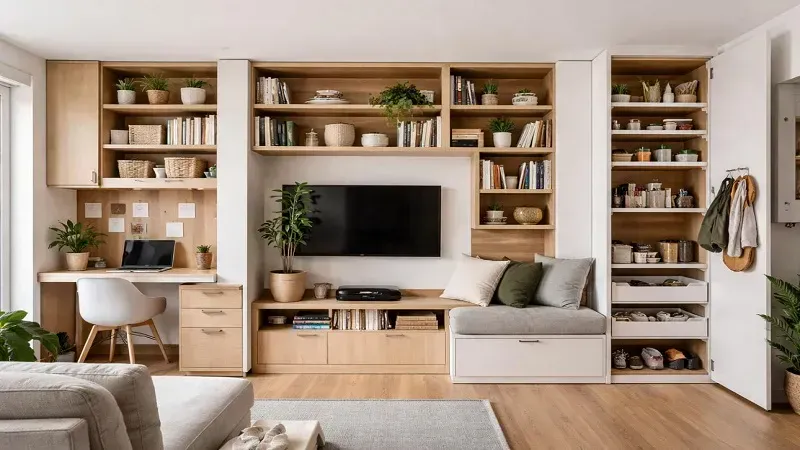
Insufficient storage can make an otherwise attractive home difficult to maintain. Before buying organizers, identify which items need regular access and which can be stored elsewhere.
Built-in cupboards, shelves above suitable work areas, under-bed storage, and multifunctional furniture can help use available space more efficiently. In entryways, a small bench with shoe storage may reduce clutter and make daily routines easier.
Measure the available space before purchasing storage products. Check the depth of shelves, clearance around doors, and access to windows, switches, and ventilation openings.
Avoid storing heavy objects on unsuitable shelves or blocking electrical panels and escape routes. Storage should improve convenience without creating new safety problems.
For a more consistent appearance, use a limited range of baskets, containers, and finishes. The aim is not to hide every personal item but to create an arrangement that is easy to use and maintain.
Hire the Right Professionals for Complex Work
DIY renovation can be suitable for manageable tasks such as assembling furniture, painting properly prepared surfaces, or installing simple decorative accessories. More complex work may require trained professionals.
Structural changes, major electrical work, gas installations, significant plumbing alterations, and work involving potentially hazardous materials should be assessed by appropriately qualified people.
Before hiring a contractor, verify relevant credentials, insurance where applicable, references, and experience with similar projects. Ask for a written agreement describing the work, materials, responsibilities, payment stages, and how changes will be approved.
Clarify who will obtain required permits and arrange inspections. Requirements vary according to location and project type, so check with the relevant local authority before work begins.
Avoid paying the entire project cost upfront without appropriate safeguards. Agree on reasonable payment milestones linked to completed work, and keep records of invoices, receipts, approvals, and changes.
A clear working relationship makes it easier to resolve misunderstandings and monitor progress throughout the renovation.
Organize the Work in the Correct Sequence
The order of renovation tasks can affect both cost and quality. Completing decorative work before messy construction or repairs may mean paying to repeat the same work later.
A typical project sequence begins with inspections, planning, and any required approvals. Structural repairs and major changes generally come next, followed by essential plumbing, electrical, and ventilation work.
Once those systems have been checked and the relevant stages completed, proceed with wall preparation, plastering, flooring as appropriate, painting, cabinetry, fixtures, and final decorative details. The exact sequence depends on the project, materials, and contractor’s installation requirements.
Protect finished surfaces when other work continues nearby. Establish a plan for dust control, waste removal, and keeping children and pets away from active work areas.
Allow sufficient time for materials to cure or dry according to manufacturer instructions. Rushing these stages can undermine the finish and create avoidable maintenance problems.
Reduce Renovation Waste and Protect Indoor Air Quality
Renovation can produce dust, odors, offcuts, packaging, and other waste. Plan how these materials will be collected, separated, and disposed of before work starts.
Where possible, retain usable cabinets, doors, fittings, and furniture instead of replacing everything. Reuse can reduce waste and preserve features that contribute to a home’s character, provided the items remain safe and suitable for their intended purpose.
Control dust by isolating the work area, protecting nearby belongings, and using appropriate cleanup methods. Ventilation can help manage some airborne pollutants, but it does not replace specialized controls for hazardous substances.
The EPA advises homeowners to investigate the causes of indoor environmental problems, use appropriate ventilation, and avoid disturbing materials such as suspected asbestos without professional guidance.
If your property may contain lead-based paint or asbestos, seek advice from qualified specialists before disturbing the affected materials. Safe procedures depend on the substance, the building, and the applicable regulations.
Complete a Final Inspection Before Closing the Project
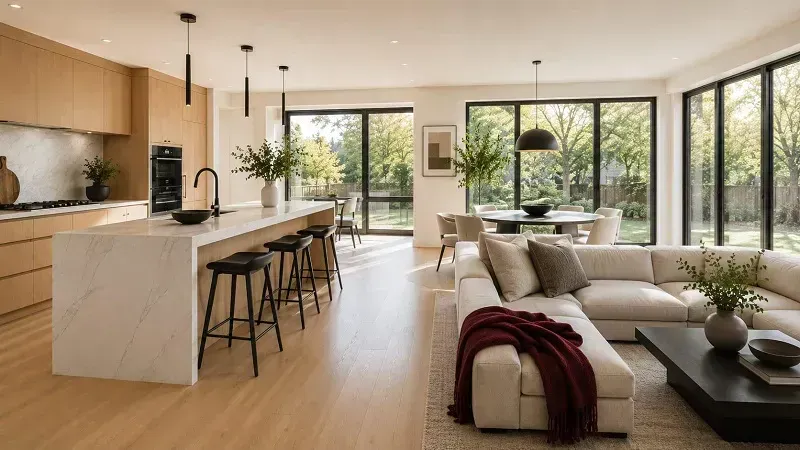
Before making the final payment, inspect the completed work against the written agreement. Look for unfinished surfaces, damaged fittings, poor alignment, leaks, loose handles, and other visible defects.
Test doors, windows, taps, lights, switches, drawers, and installed appliances where appropriate. Confirm that ventilation equipment operates correctly and that any required inspections or approvals have been completed.
Ask the contractor to document outstanding items and agree on a reasonable completion date. Keep warranties, product information, receipts, maintenance instructions, and relevant inspection records in one place.
Take photographs of important concealed installations before walls or ceilings are closed, where practical. These records may help with future maintenance or repairs.
A careful handover helps you identify problems while the contractor is still engaged and gives you useful documentation for maintaining the renovated space.
Conclusion: Build a Home That Works for You
A successful renovation is not measured only by its appearance. It should also improve everyday comfort, solve existing problems, and remain manageable to maintain.
Start with a thorough inspection, create a realistic budget, choose suitable materials, and address essential repairs before decorative upgrades. Plan the sequence of work carefully and bring in qualified professionals whenever the project involves structural, electrical, plumbing, or safety concerns.
By applying these decoradhouse renovation tips from decoratoradvice, homeowners can make more informed decisions and develop a renovation plan that balances practical needs with personal style.
The most effective improvements are often the ones that solve real problems rather than simply following a temporary design trend.
Frequently Asked Questions
What is the first step in a home renovation?
Start by inspecting your home and identifying urgent repairs, functional problems, and cosmetic improvements. Establish a budget and decide which tasks should be completed first. This approach helps you avoid spending money on decorative changes before addressing more important issues.
How can I renovate my home on a limited budget?
Focus on repairs and improvements that make a meaningful difference. Refreshing suitable cabinets, repainting prepared walls, improving lighting, reorganizing storage, and reusing existing furniture can reduce costs. Compare material and labor estimates before committing to a project.
Which renovation projects should be completed first?
Address structural concerns, water leaks, unsafe electrical systems, and other essential repairs before decorative work. The correct sequence depends on the property and the project, so obtain professional advice when necessary.
How do I choose the right renovation materials?
Compare durability, maintenance requirements, installation costs, appearance, and suitability for the room. Materials designed for wet areas should be used where appropriate, and all products should be installed according to their specifications.
Can I complete a renovation without hiring a contractor?
Some smaller projects are suitable for DIY work if you have the necessary skills and equipment. Structural alterations, major electrical work, gas installations, and potentially hazardous materials require appropriate professional assessment and, where applicable, qualified contractors.
How can I make a small home feel larger?
Use appropriately sized furniture, improve lighting, reduce unnecessary clutter, and take advantage of vertical storage. Keep walkways clear and choose a consistent color palette to create a more connected appearance.
Are Decoradhouse renovation tips from Decoratoradvice suitable for beginners?
Yes. The guidance is organized around accessible planning tasks, budget management, material selection, storage, and basic design decisions. Beginners should still seek qualified help for technical work that involves structural integrity, electrical systems, plumbing, or hazardous materials.
How can I prevent renovation costs from increasing?
Prepare a detailed scope of work, compare itemized quotes, establish a contingency reserve, and document changes before approving additional work. Inspect completed stages regularly and keep track of spending throughout the project. See More